Text by Jorge de la Cruz
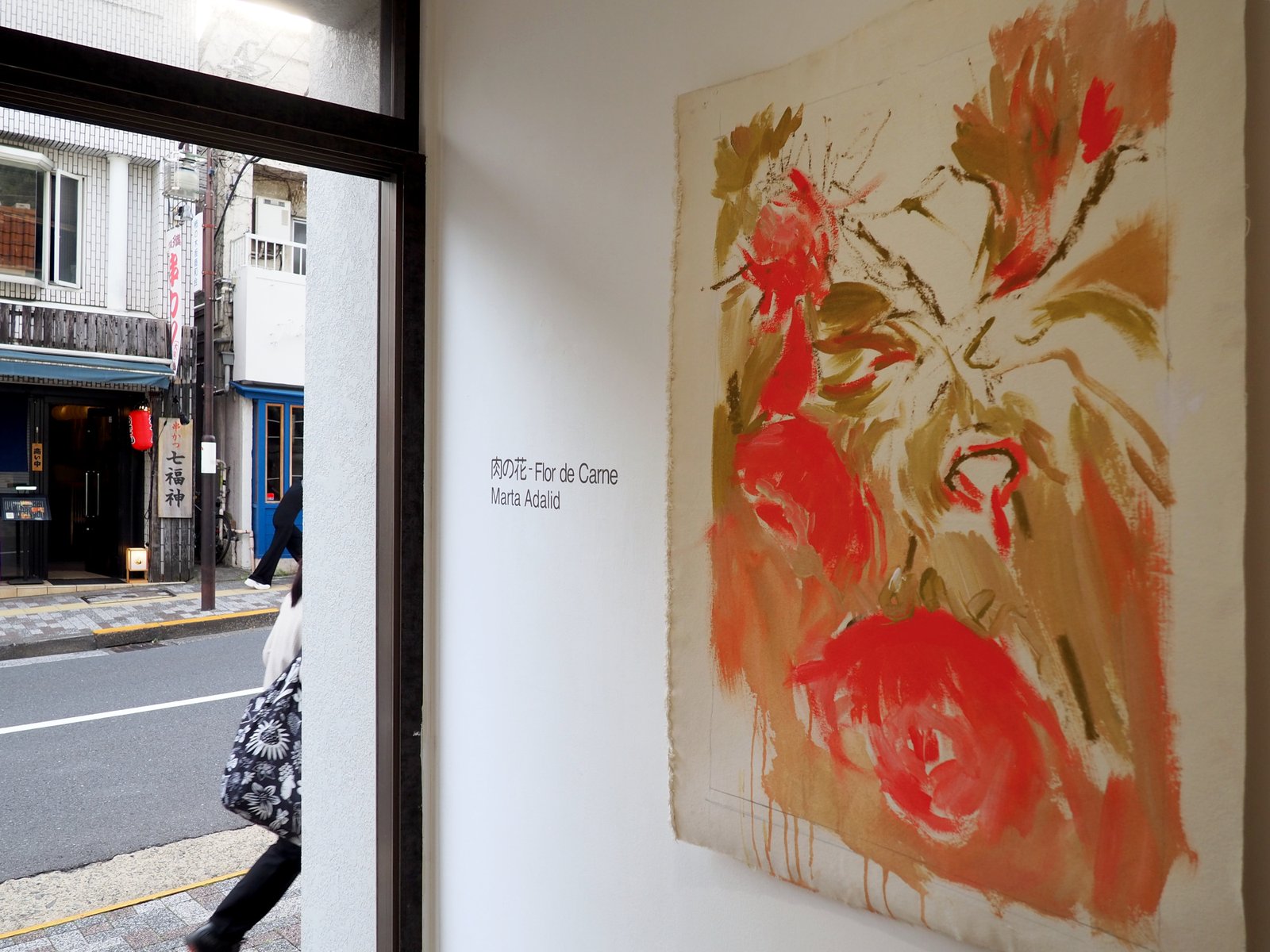
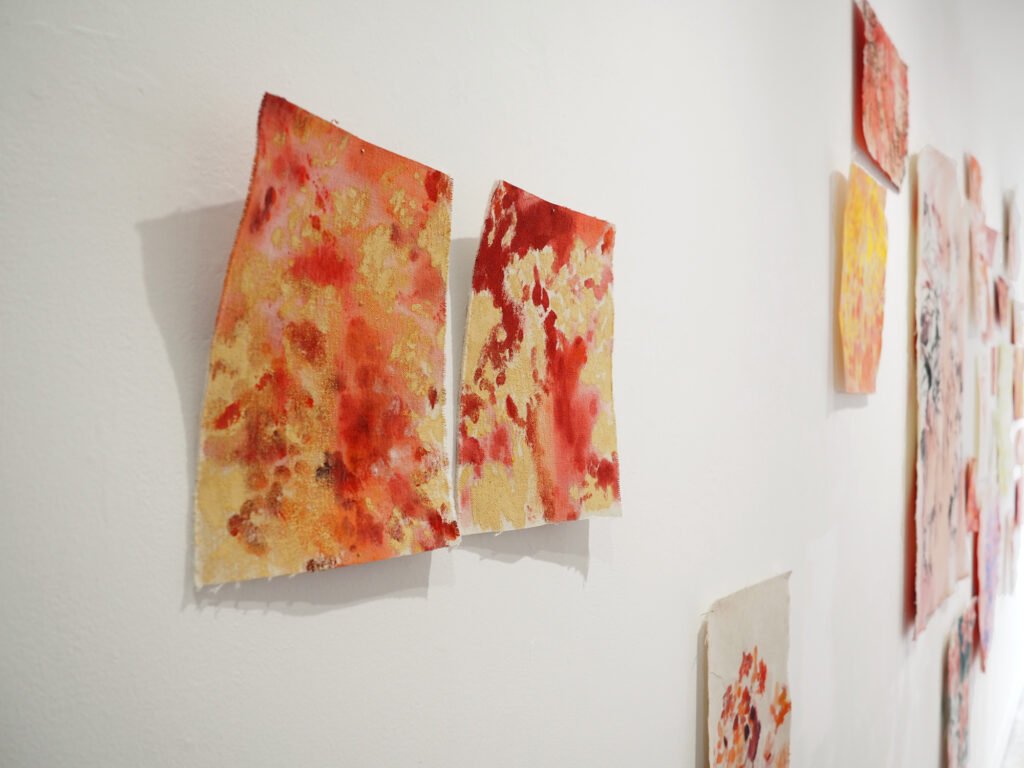
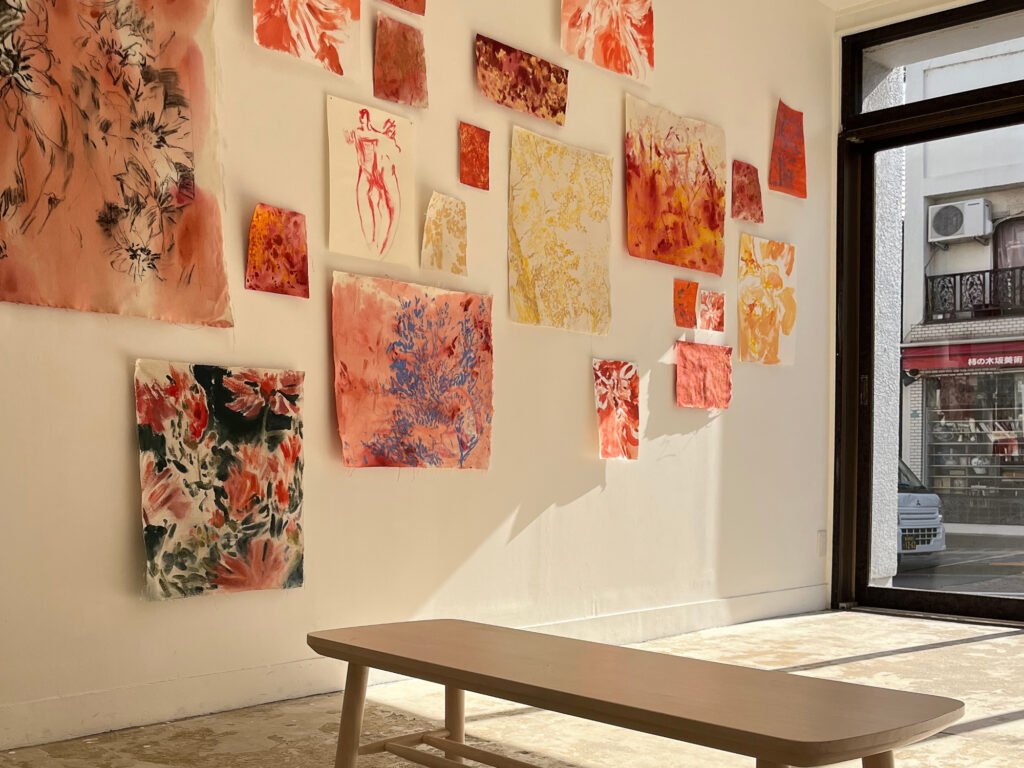
In Marta Adalid’s artistic practice, the flower appears as a singular element, emerging spontaneously in the act of portraying herself or her surroundings. More than an intention, it is a chance encounter that the artist intensifies, heightening the ambiguity between petal and skin. The philosopher Gilles Deleuze, reflecting on the organic in art, pointed to how bodies become forms, merge with their environment, and blur the boundaries between the natural and the human. This idea is central to Marta’s work, both in its more introspective and conceptual dimension and in its more carnal aspect, conveyed through sensory impacts achieved with broken lines, flesh-toned stains, and invasive compositions that fill—or even exceed—the support. The flower thus becomes a body—the artist’s own or that of another—yet it never ceases to be a flower, a mundane and ephemeral element. This interplay between evident form and evocative symbol leads us to the Japanese concept of the floating world (ukiyo), which evokes an awareness of impermanence, desire, and even repulsion, akin to the vanitas of the Baroque. In this way, a parallel is drawn between Japanese and Spanish cultures through the flower as symbol, inspired both by the vivid mountains of Japan and the Andalusian courtyards, by minimalist ikebana and Mediterranean vegetal exuberance. In this exhibition, Adalid weaves an emotional cartography in which the floral is not merely contemplated, but inhabited. Each work suggests a way of life, a character, a body. Flowers and people ultimately dissolve into one another.
Niku no Hana (Flower of Flesh), 2026
Installation view, Katsuya Susuki Gallery, Tokyo
La flor, en el trabajo artístico de Marta Adalid, es un elemento peculiar pues emerge espontáneamente al momento de retratarse o retratar su entorno. Más que una intención es un encuentro fortuito que la artista aviva, acentuando la confusión entre pétalo y piel. El filósofo Gilles Deleuze, al reflexionar sobre lo orgánico en el arte, apuntaba a cómo los cuerpos devienen formas, se mezclan con el entorno y desdibujan los límites entre lo natural y lo humano. Esta idea es capital en la obra de Marta, tanto en su faceta más anímica y conceptual como en la más carnal, a través de impactos sensoriales que logra con líneas quebradas, manchas de color carne y composiciones invasivas que llenan el soporte o incluso lo sobrepasan. La flor es por tanto un cuerpo, el de la propia artista o el de otra persona, pero no deja de ser flor, un elemento mundano y efímero. Este juego entre la forma evidente y el símbolo evocador nos lleva al concepto japonés del mundo flotante (ukiyo), que alude a una conciencia de impermanencia, deseo e incluso asco, muy parecido a las Vánitas en el barroco. Así se pretende establecer un paralelismo entre la cultura japonesa y la española a través de la flor como símbolo, inspirada tanto por los coloridos montes japoneses como por los patios andaluces, por los ikebanas minimalistas como por la exuberancia vegetal mediterránea. Adalid teje en esta exposición una cartografía emocional donde lo floral no se contempla, sino que se habita. Cada obra sugiere una forma de vida, un carácter, un cuerpo. Las flores y las personas terminan por confundirse.
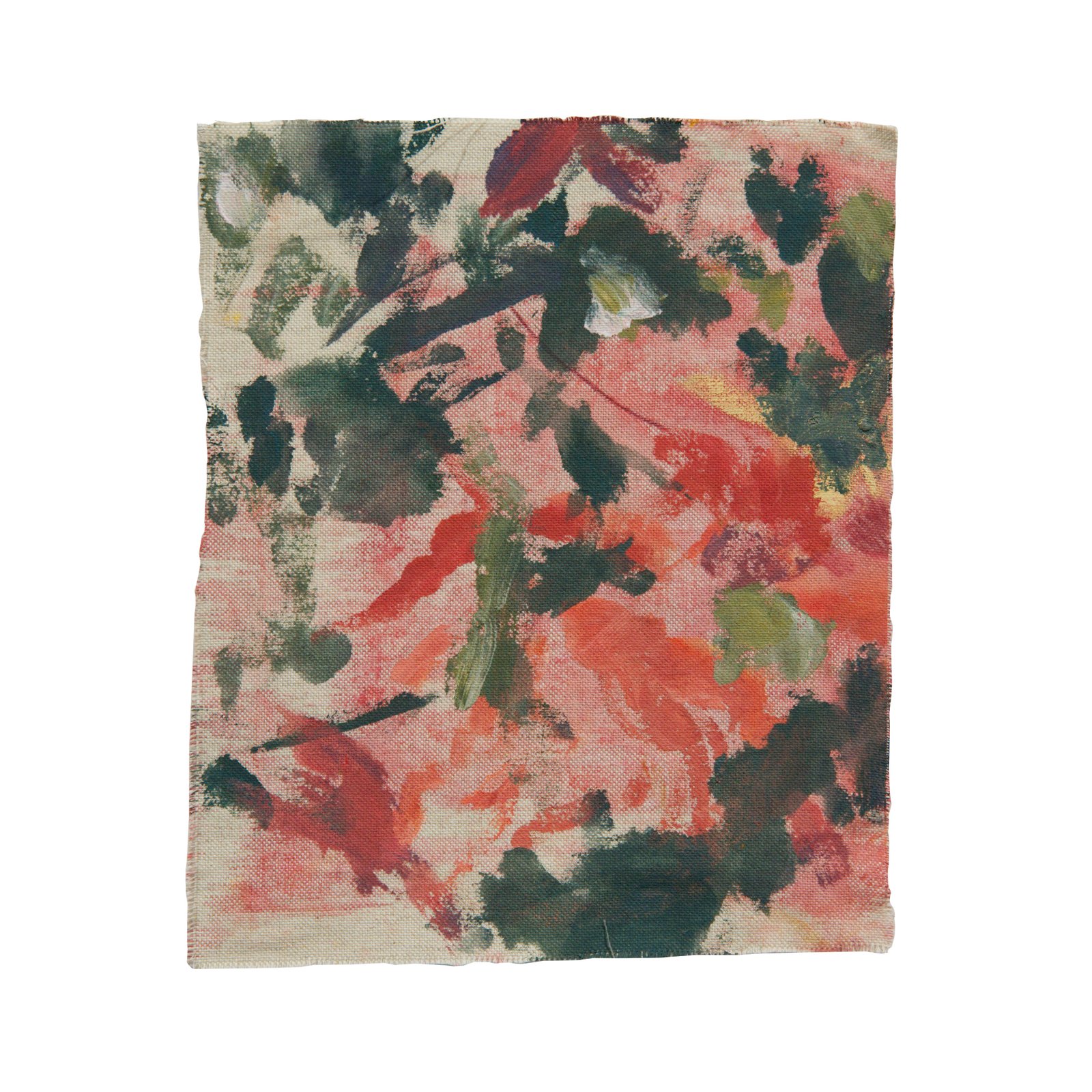
Acrylic on textile
21 x 25 cm
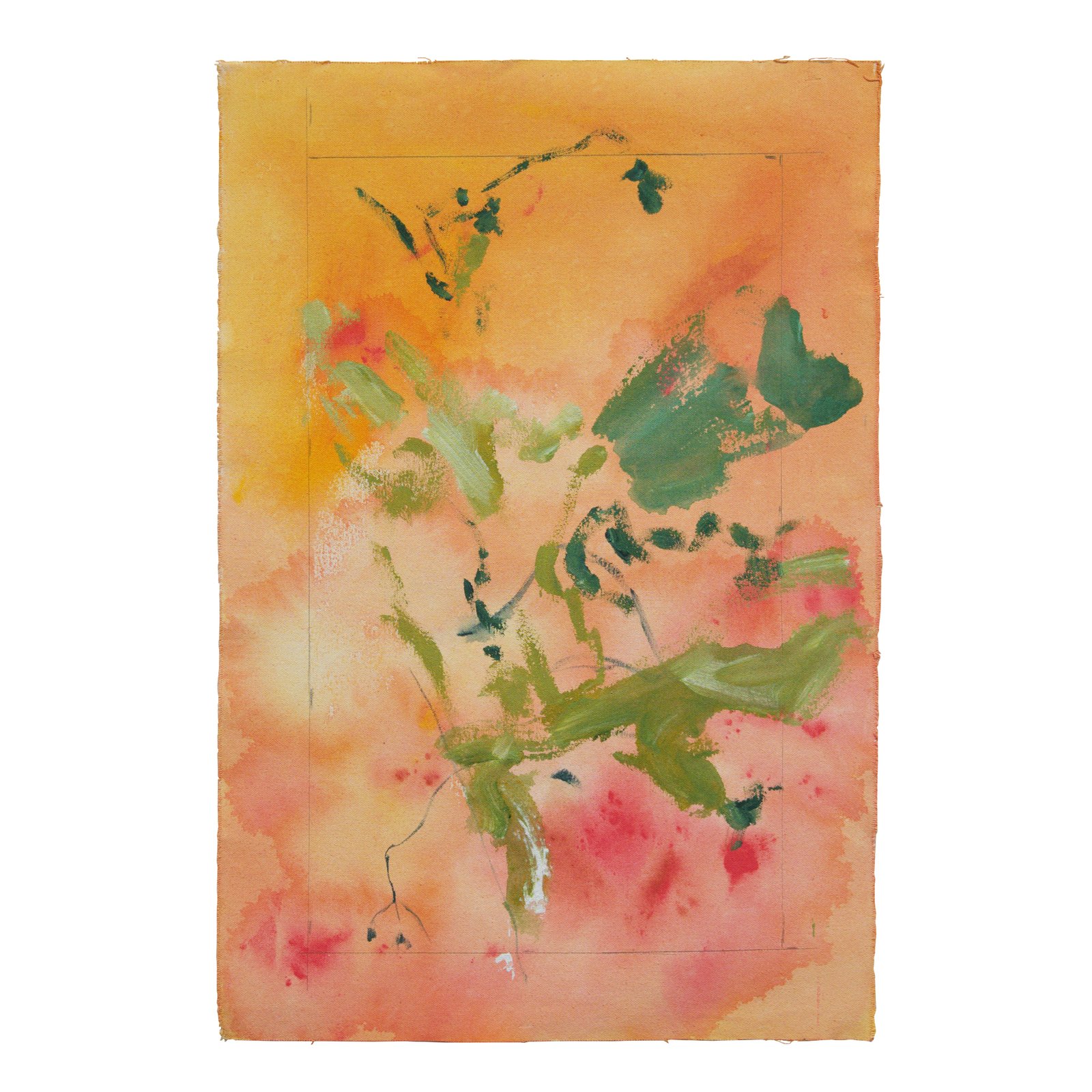
Acrylic on textile
48 x 73 cm
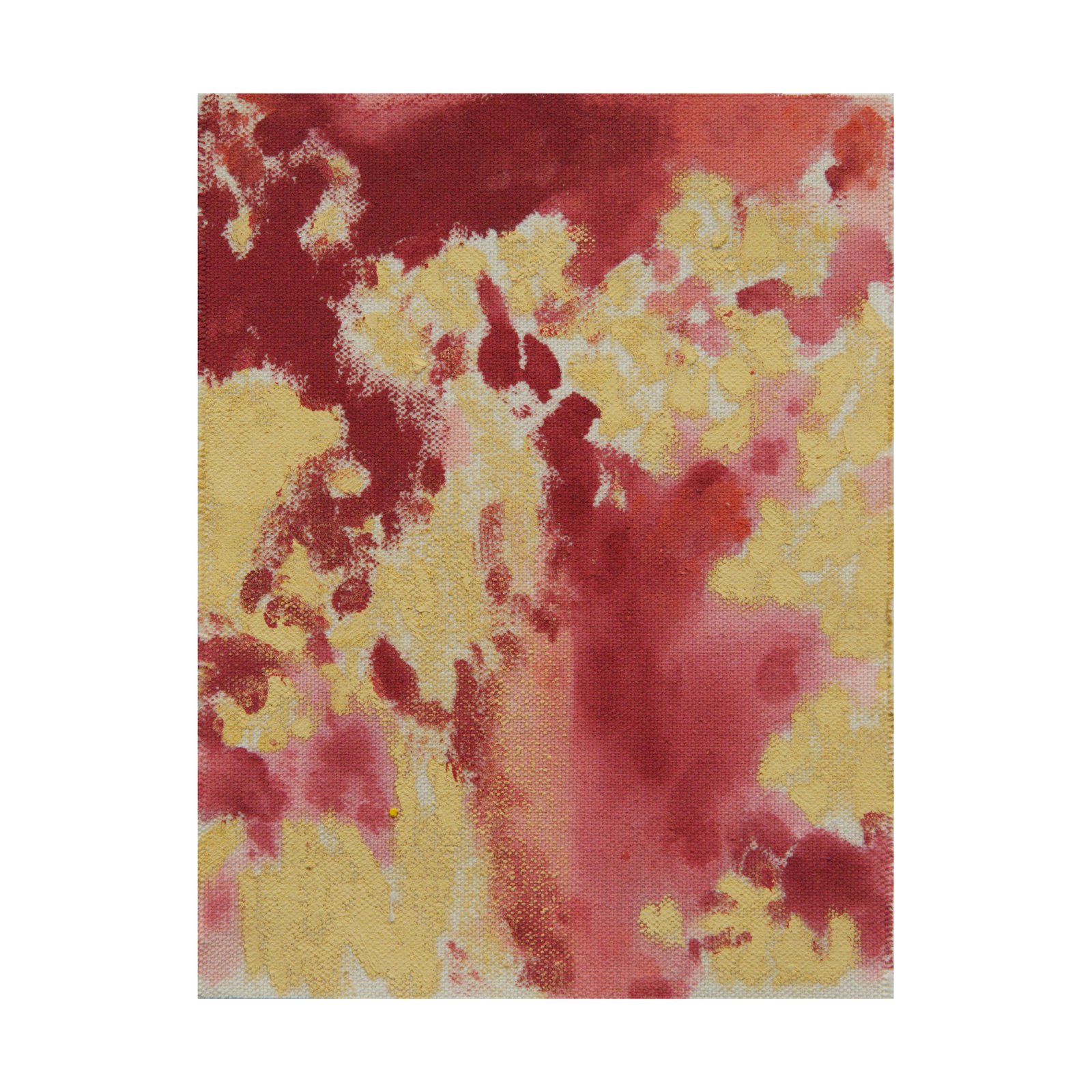
Acrylic on textile
21 x 25 cm
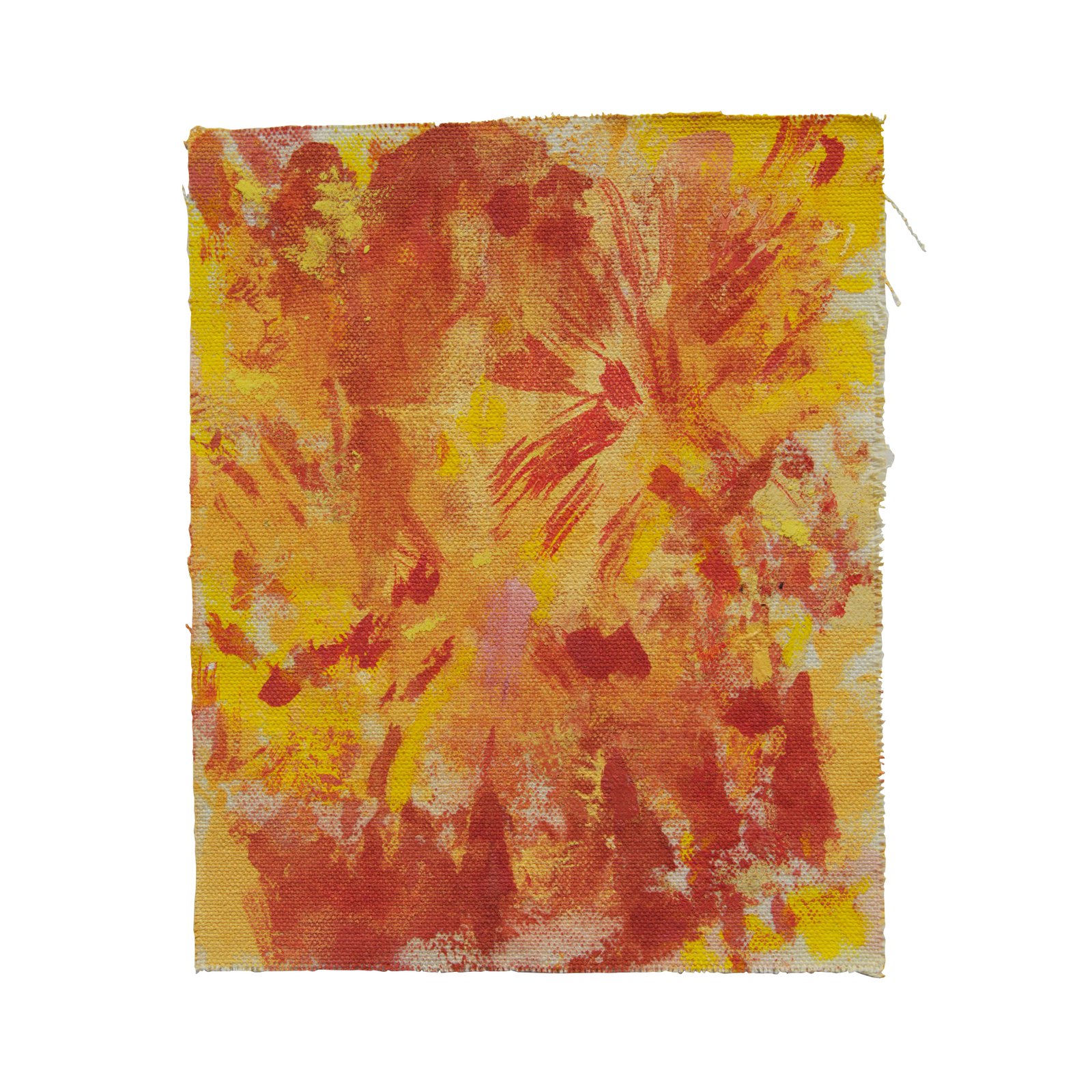
Acrylic on textile
21 x 25 cm
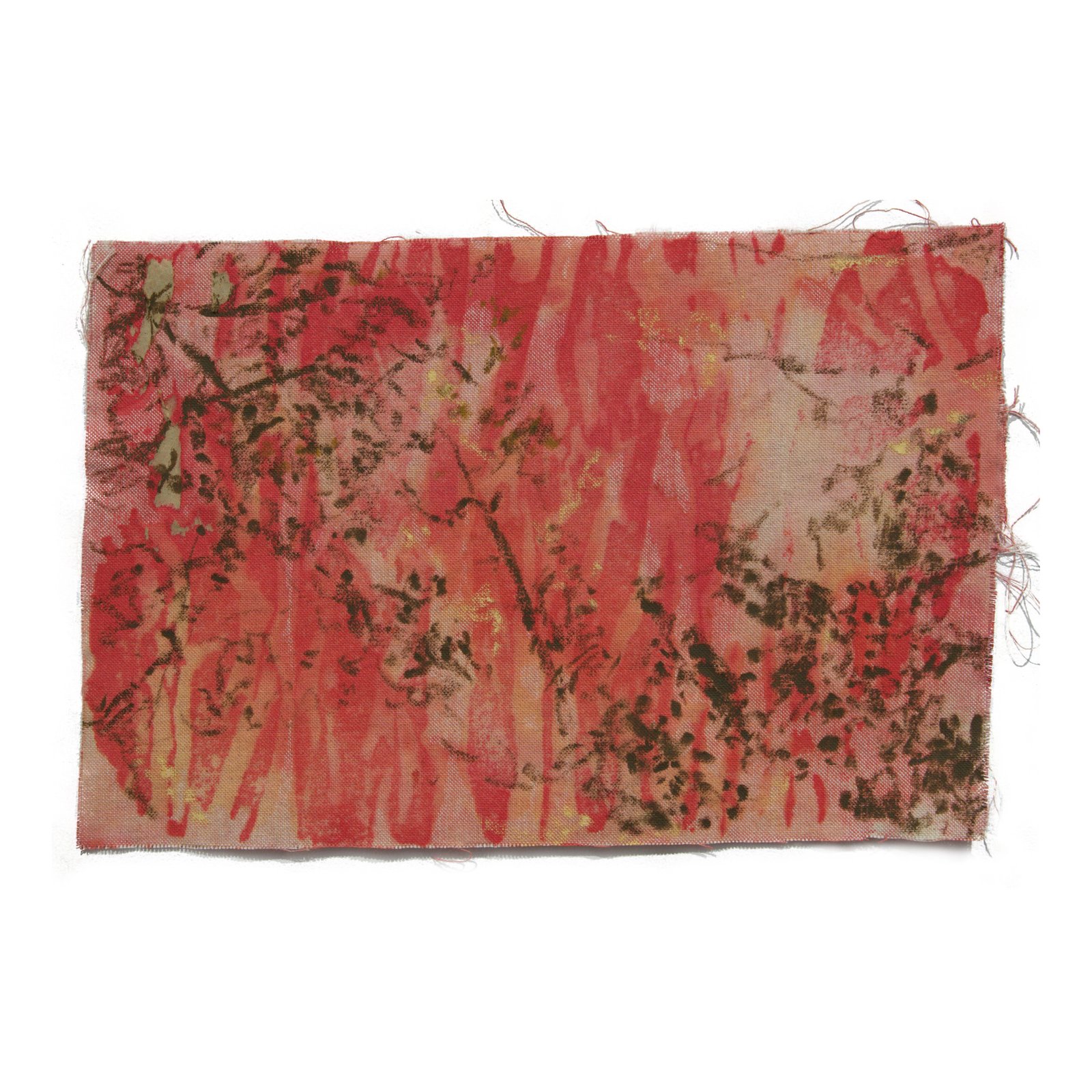
Acrylic and crayon on textile
35 x 20 cm
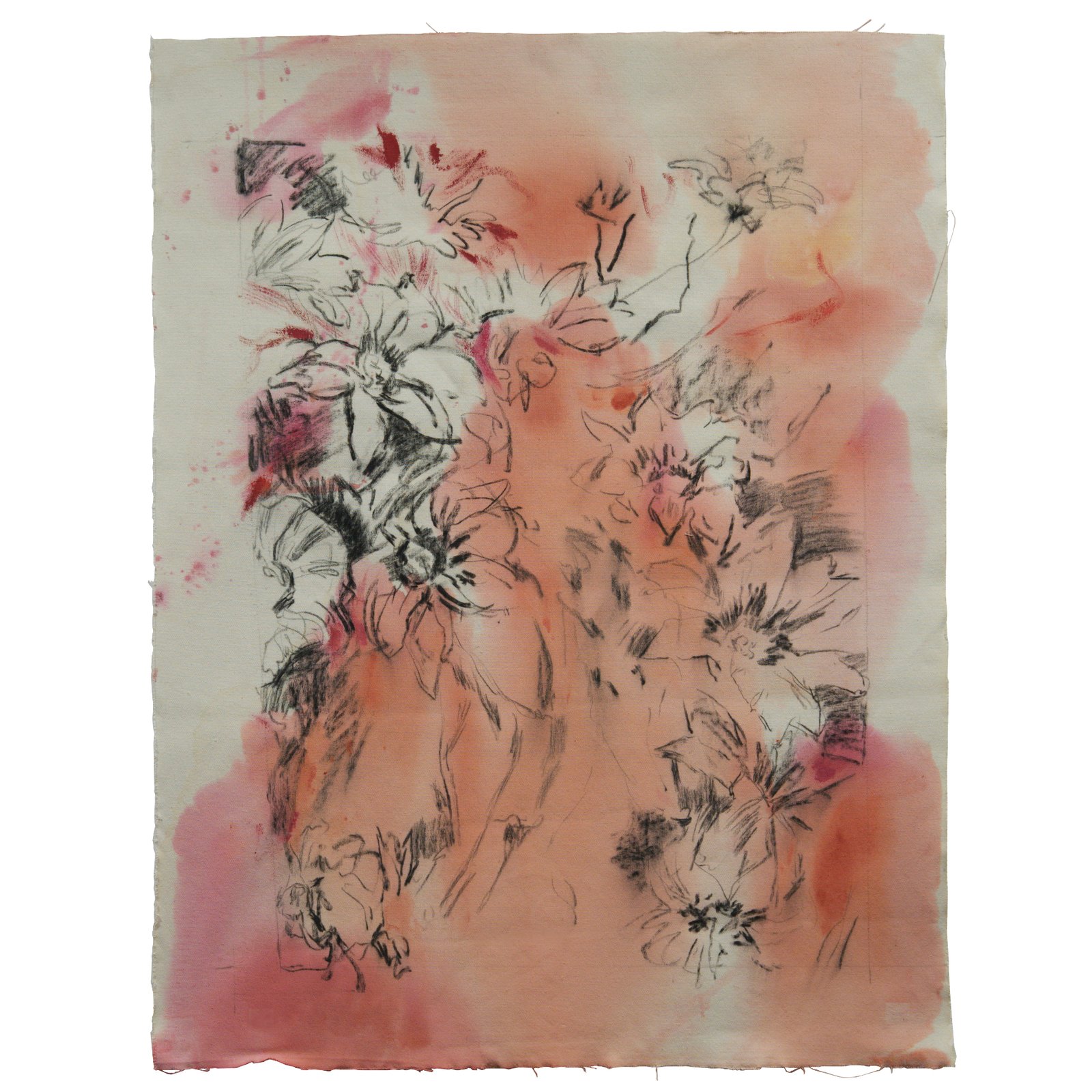
Acrylic and charcoal on textile
75 x 102 cm
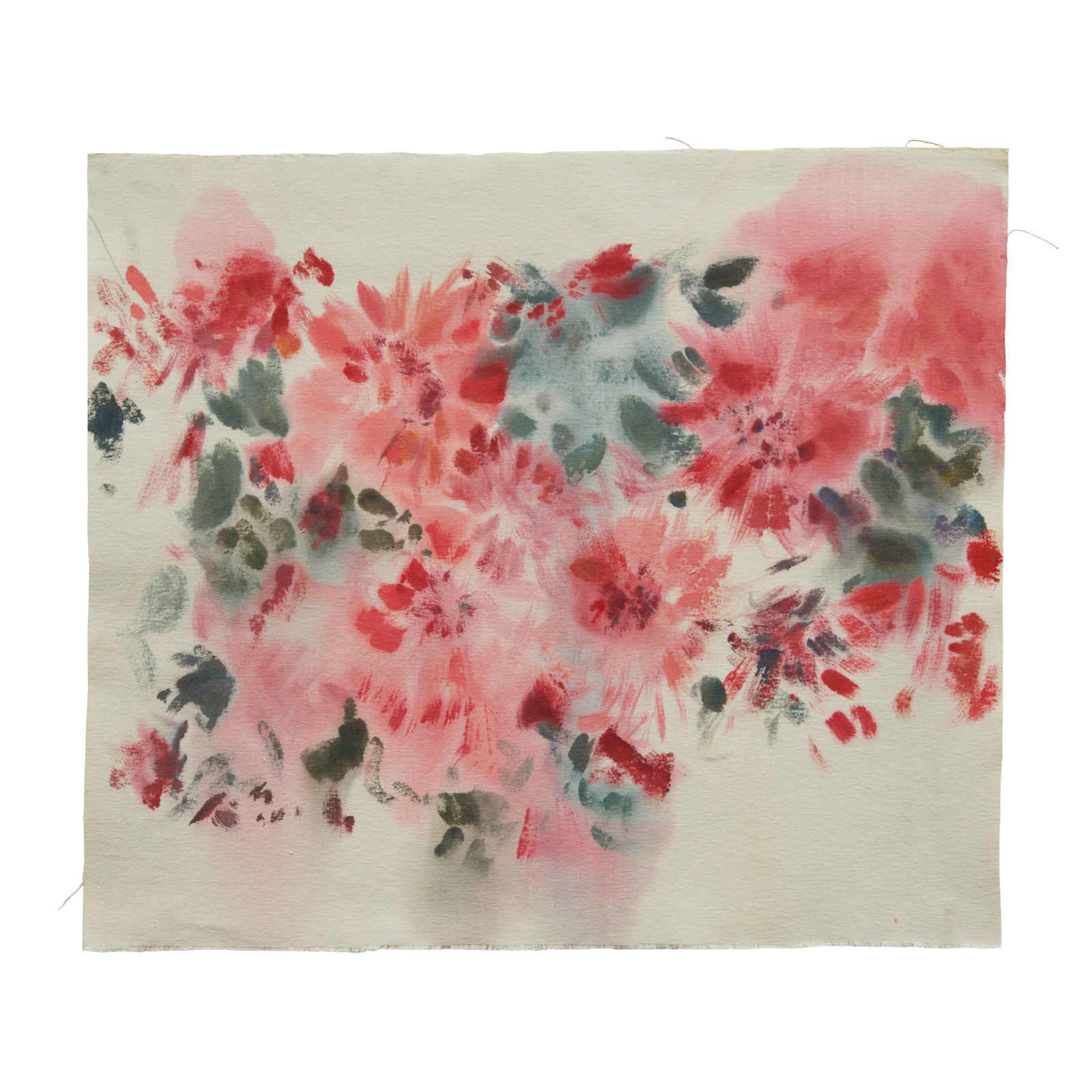
Acrylic on textile
63 x 53 cm
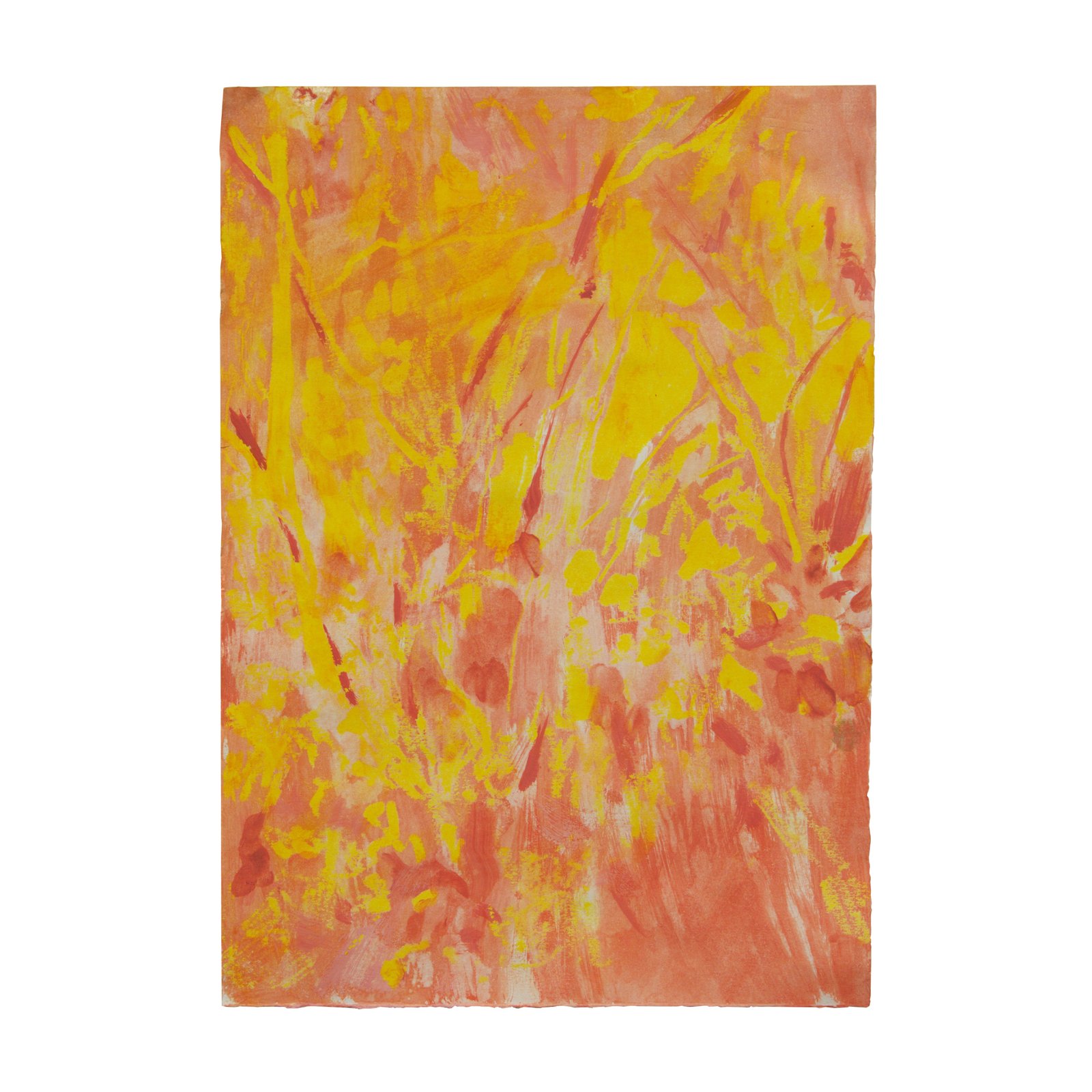
Acrylic and crayon on paper
20 x 35 cm
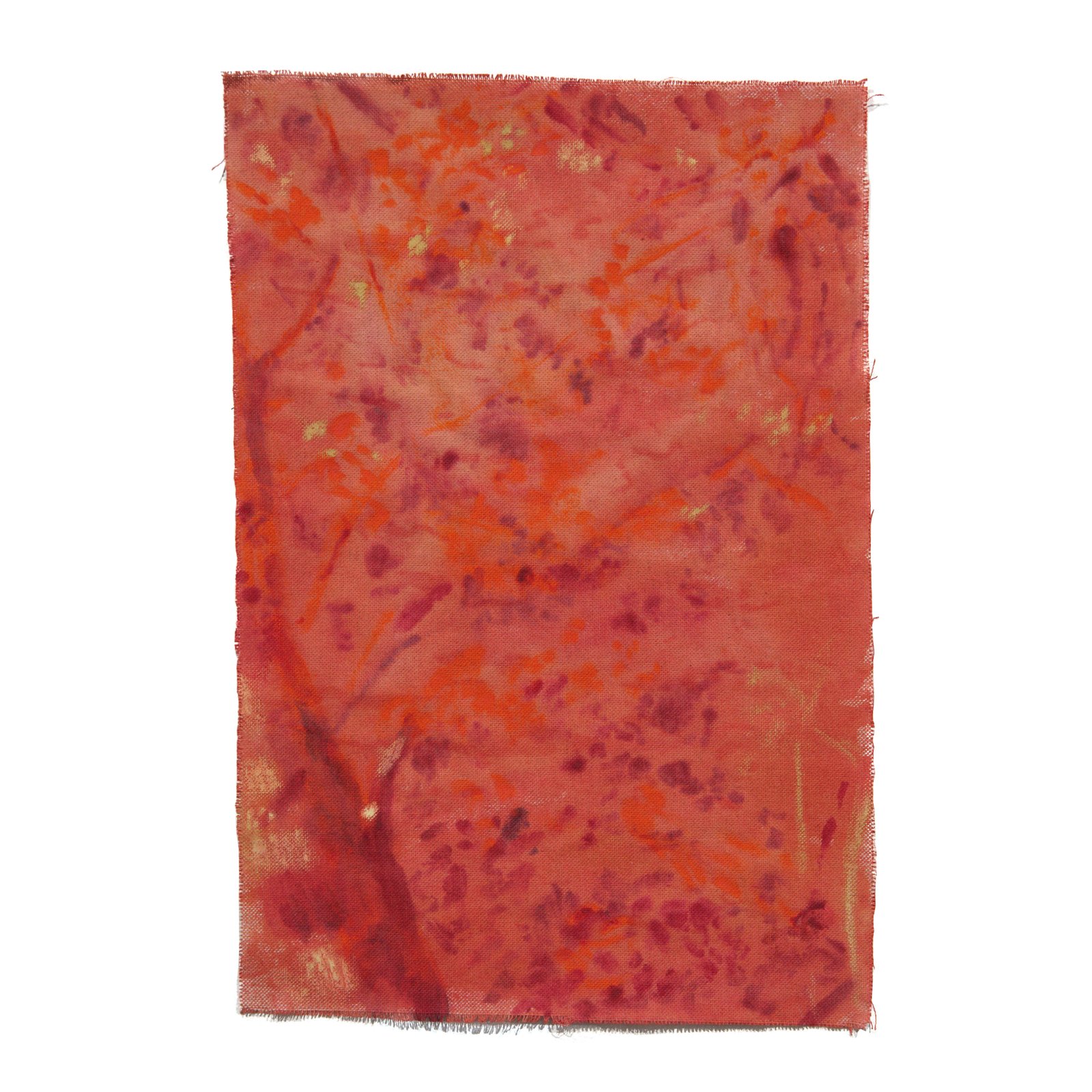
Acrylic and oil crayon on textile
25 x 38 cm
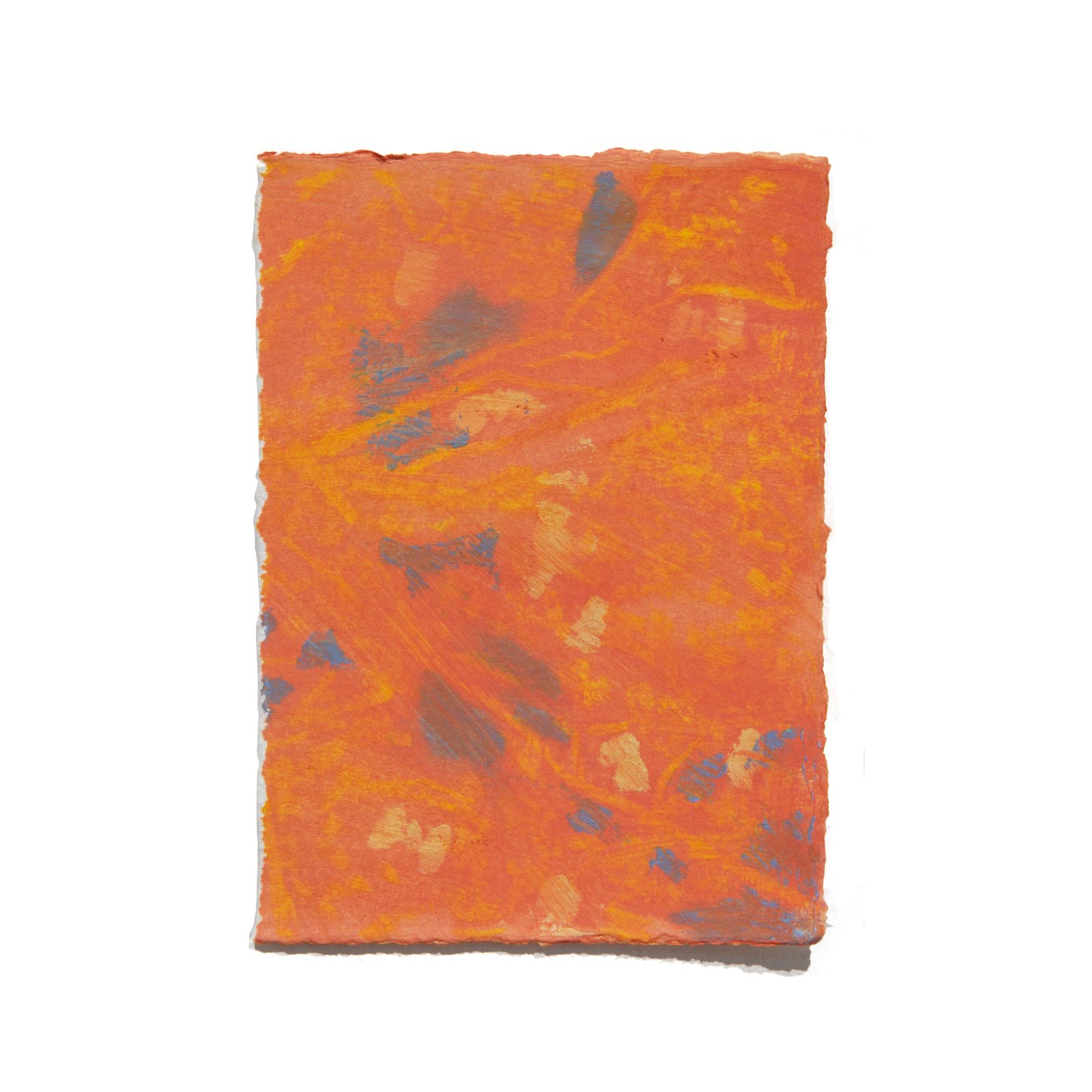
Acrylic and crayon on paper
12 x 17,5 cm
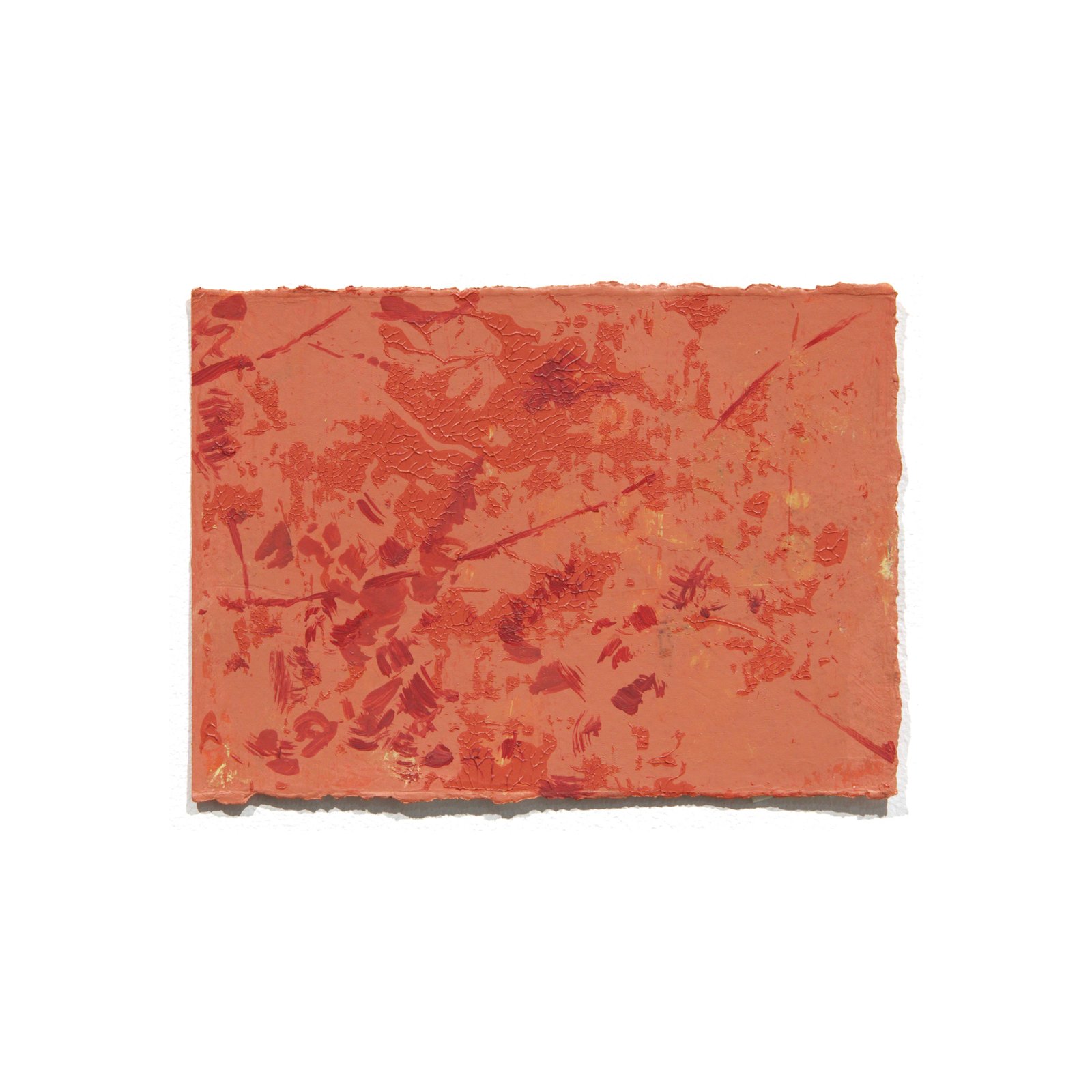
Acrylic and crayon on paper
17,5 x 12
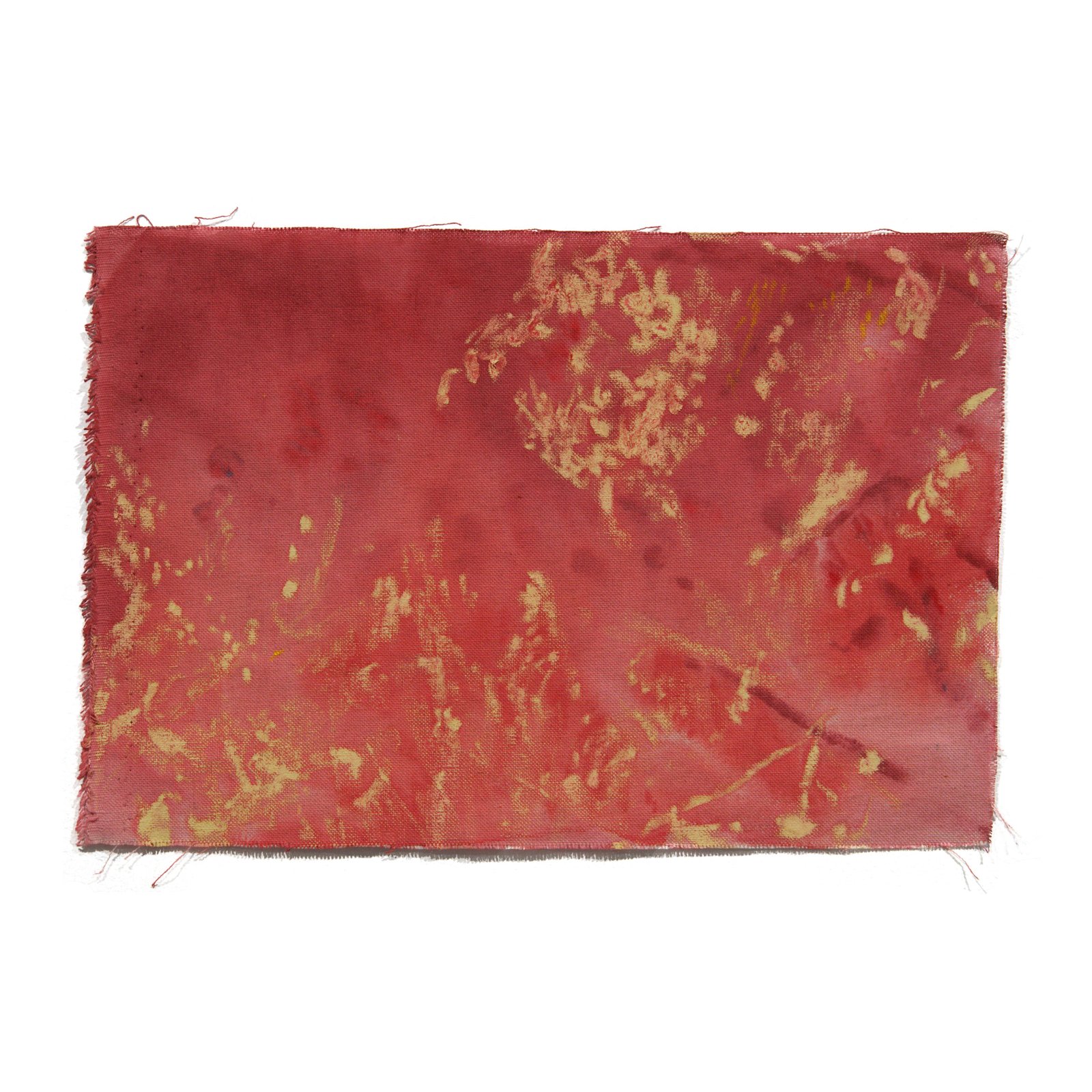
Acrylic and oil crayon on textile
37 x 25 cm, 2026
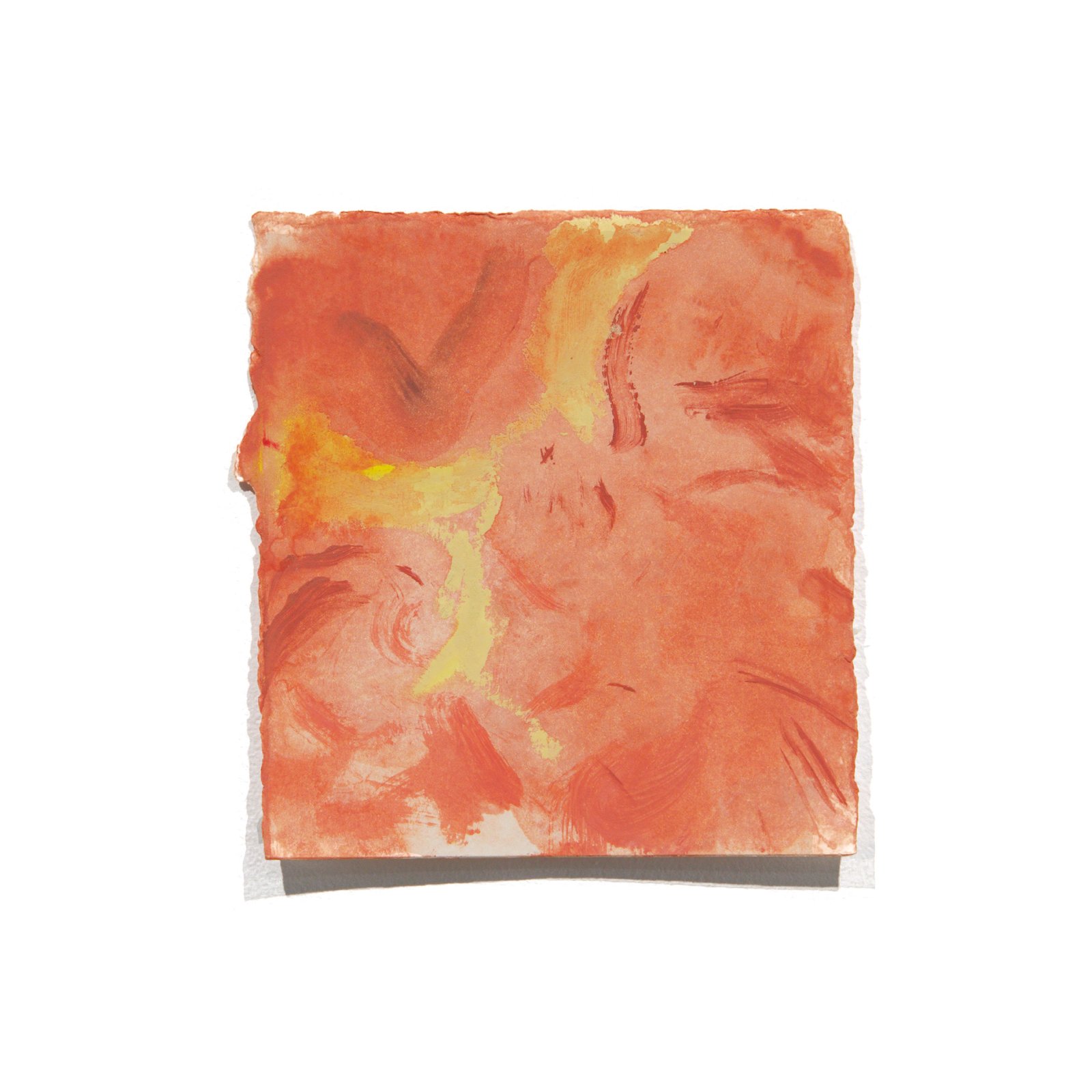
Acrylic and crayon on paper
13,5 x 14,5 cm
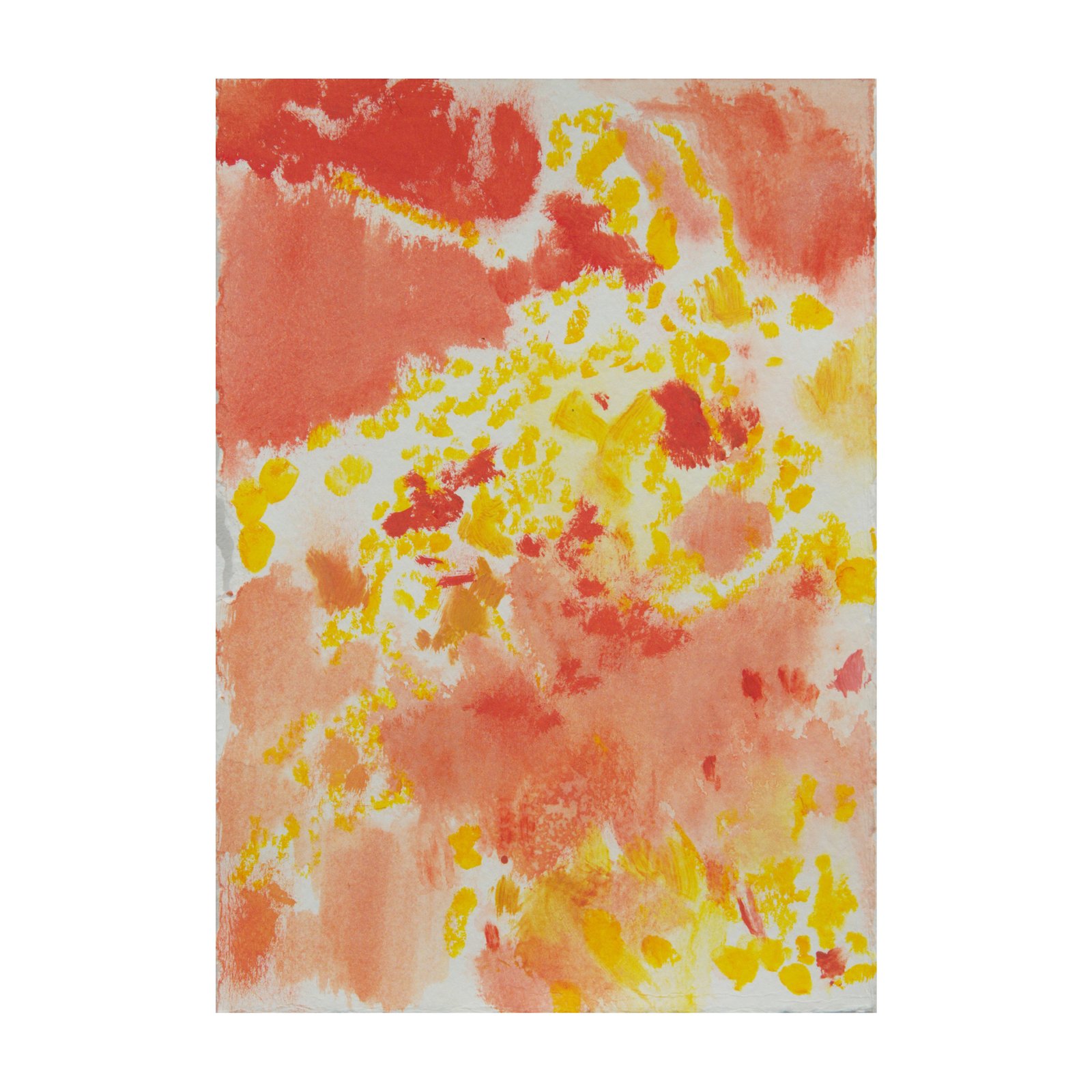
Acrylic and oil crayon on paper
12 x 35 cm
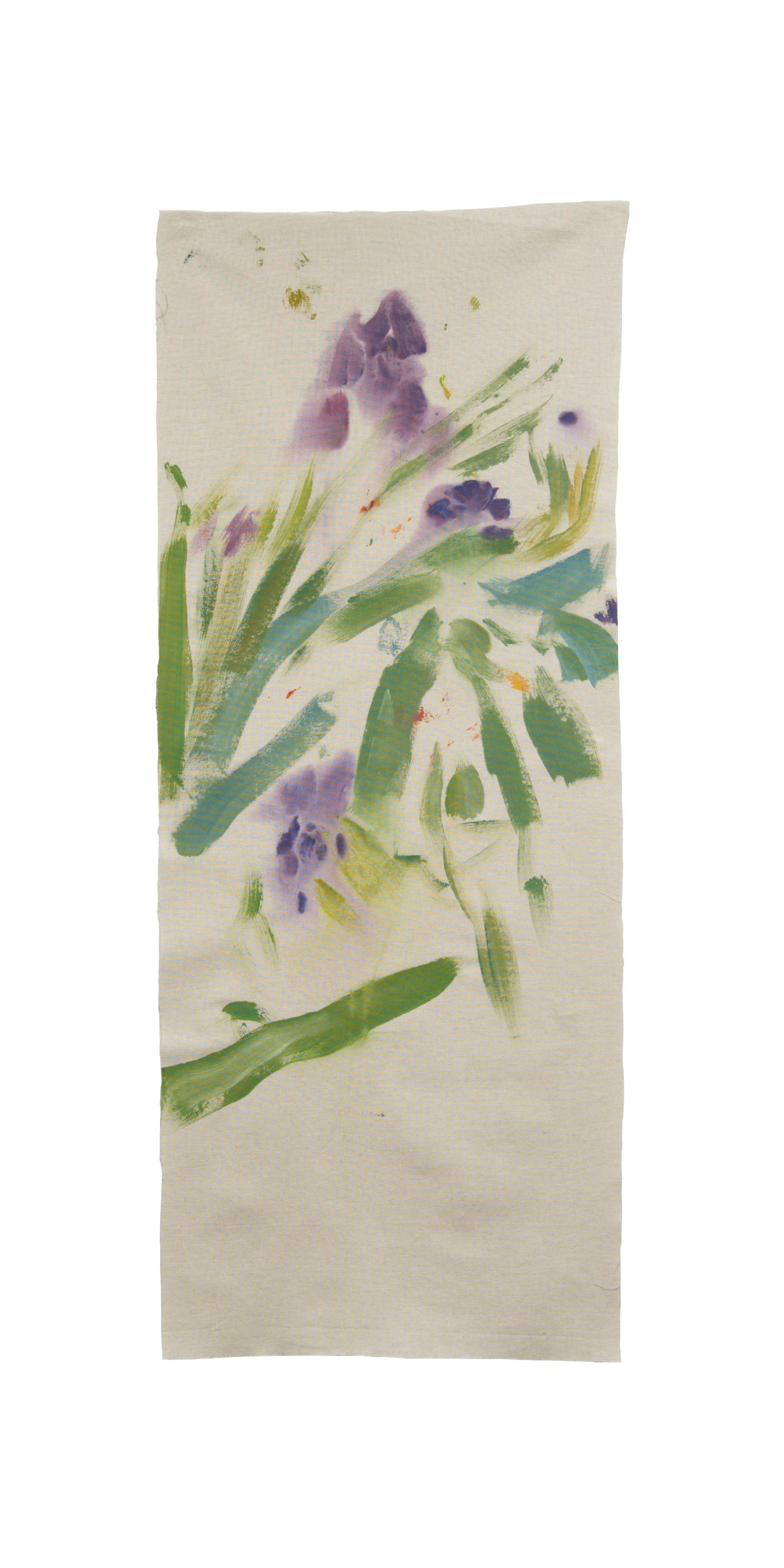
Acrylic on textile
50 x 125 cm
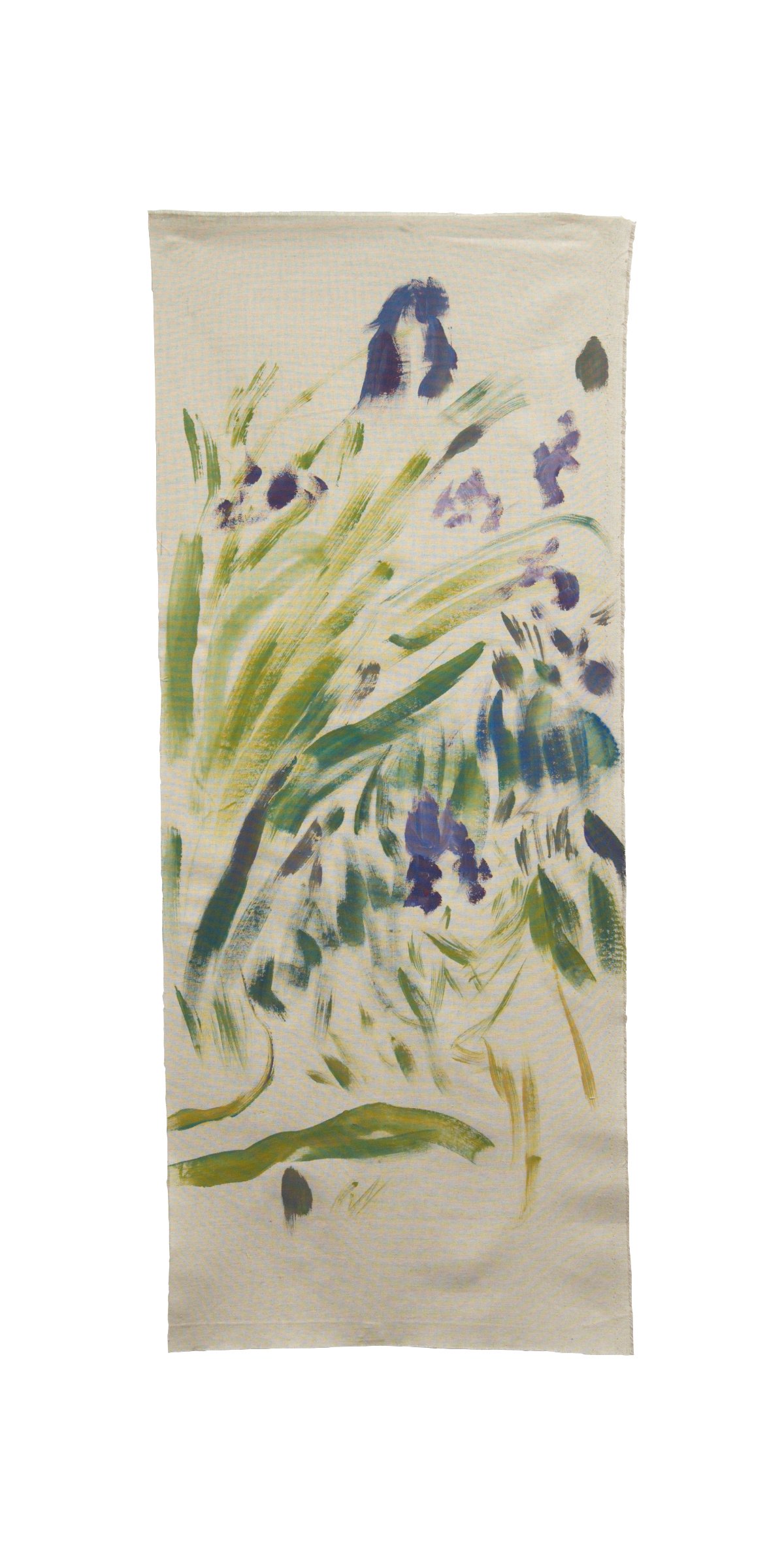
Acrylic on textile
50 x 125 cm
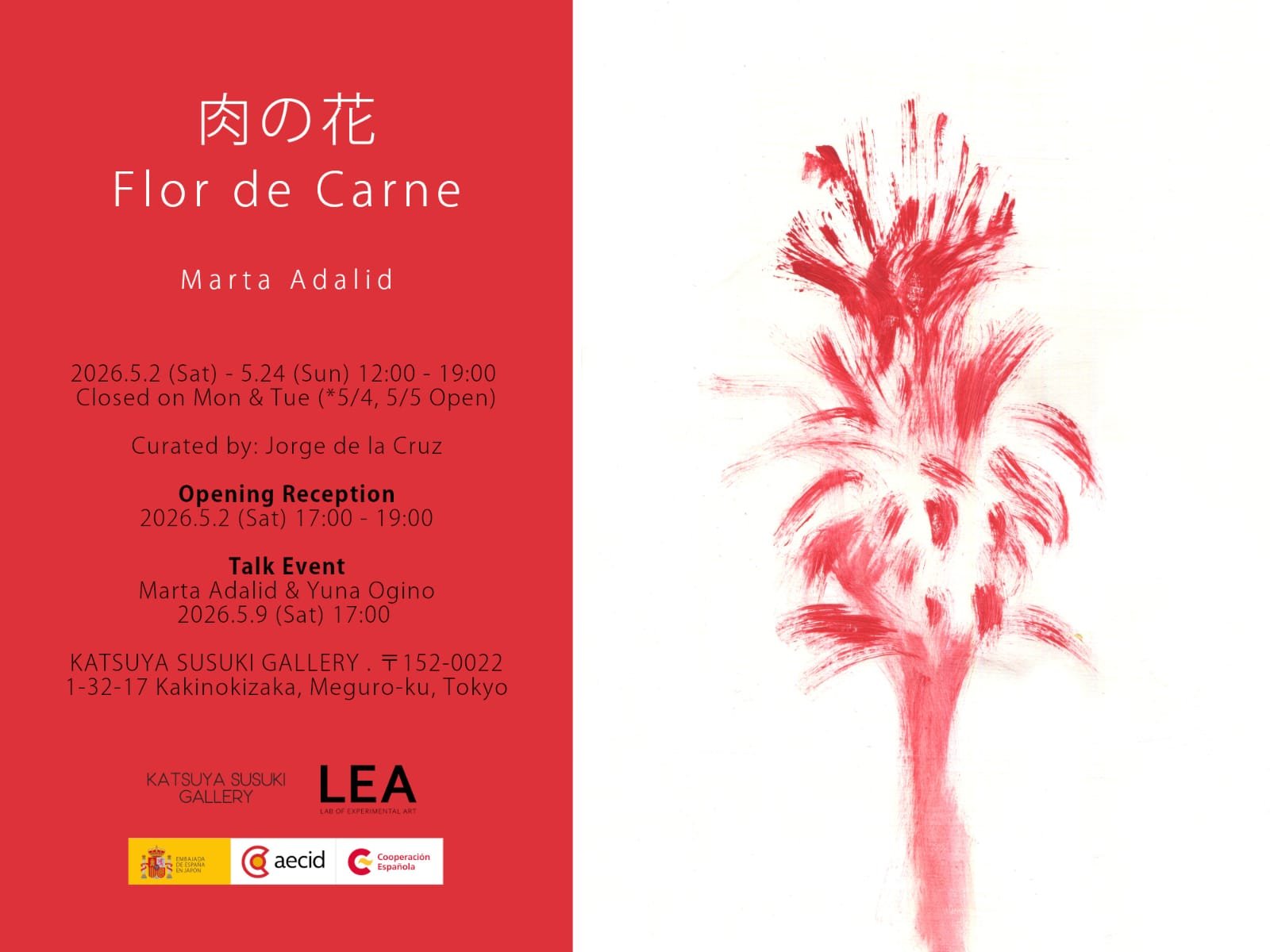
Conversation, Tokyo, 2026
Watch excerpt→